In the Forest of Metropoles by Karl-Markus Gauß
Translated by Tess Lewis
Seagull Books, 2025
Despite over 20 books published, mostly collections of essays and articles, I believe this to be Karl-Markus Gauß’s first book translated into English. Originally published in German in 2010, this book collects essays and musings of towns and districts in a part of Europe that remain off the beaten path. His wanderings along the stray paths of these small regions are recorded in a similar vein, linking places, people, art, and history in an almost stream of consciousness-type of journey. Gauß doesn’t pretend to be comprehensive on his subjects, relaying what he finds thought-provoking and memorable. Some of the places may be described as on the margins of Europe, but he shows an interest in the people and their culture that charms the reader.
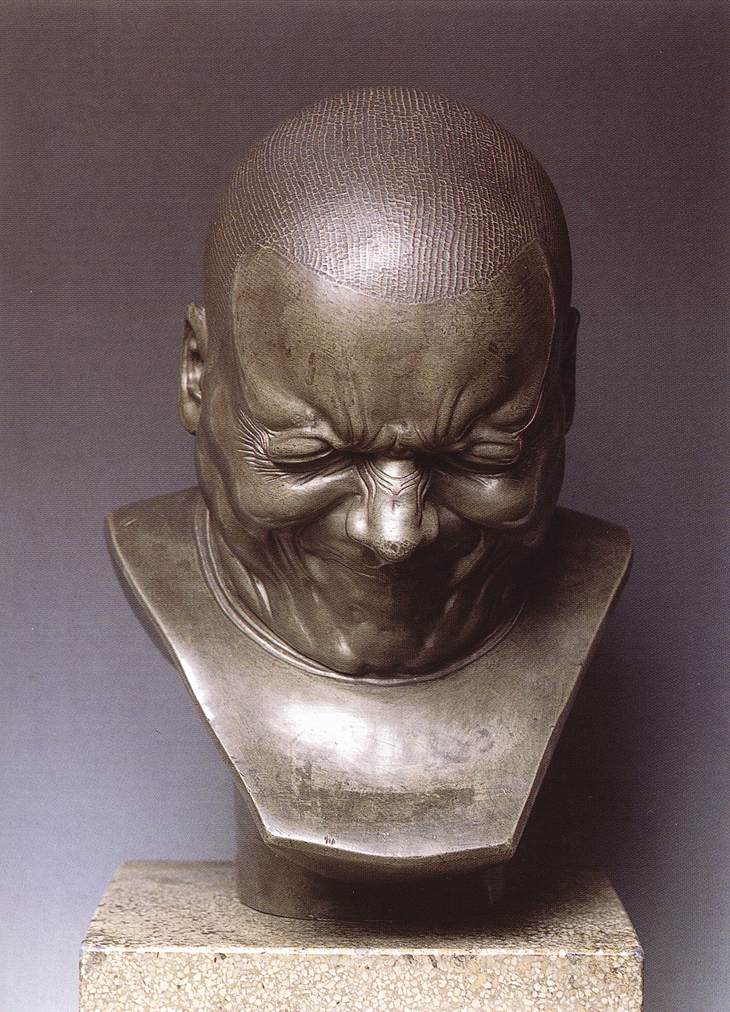
In many of the chapters Gauß weaves extended musings or history across locations and centuries. For example, here’s what is covered in the first chapter. He starts in a small restaurant in Beaune, France where he spots a fellow diner with a strange facial tic. He then jumps to a history and description of some of Franz Xaver Messerschmidt’s unsettling “character head” sculptures, one of which reminds him of the diner’s appearance. This leads to musings about a different bust fashioned by Messerschmidt of Joseph Wenzel I, Prince of Liechtenstein, and the story of his chamberlain Angelo Soliman whose body was skinned and stuffed after death. The next linkage leads to musings on the book The Dietetics of the Soul and the author Ernst von Feuchtersleben, a book Gauß received from a friend during a period of illness. Last comes some of the history of the literary and musical residents in the Ungargasse district in Vienna as he nursed a drink at a “beer devil.” Near the end of the chapter Gauß makes a non-apology for his wandering musings: “[E]ven a book about stray paths is not required to follow every byway to its end, especially since there would be no end, given that each stray path would only lead me to another and yet another.” (21) It turns out the house the beer hall is in once housed Messerschmidt and his sculptures (among many associations with notable artists at that location), linking several of the threads in the chapter.
Picture source
The Character Head mentioned in the first chapter
Gauß highlights writers and artists little known in the West while touching on, in a captivating style, changes that have happened in their corner of Europe. This description of a hotel he and his wife stayed at in Belgrade provides an example of his writing and observation style:
The entire hotel was a stage that had lost its ensemble and audience, but the backdrops remained and a small group of actors had returned to pretend we were guests in a glamorous hotel of yesteryear, having arrived in the 1920s, at just the right time to experience the era of the cosmopolitan, ecstatically decadent Belgrade…. We were both spectators at a daily performance that paid homage to the myth of the old Belgrade and the vanished Yugoslavia and minor characters in the performance. (25)
Gauß doesn’t shy from recording the ugly history of places he visits, including wars, ethnic clashes and cleansings, concentration camps, and social experiments, but the focus highlights the artistic histories of the areas and their influence on persons and groups to this day. Examples include Vuk Karadžić, creator of a standardized Serbian language, and Oton Župančič and Ivan Cankar, founders of modern Slovenian literature (a native language that existed without a country for so long).
Many of the authors he covers also translated classic texts into their native languages. Their imprint can be found in varied ways in the many of the inconspicuous villages Gauß writes about. Language plays an important part in many of these essays, whether helping create a national/regional consciousness (especially “micro-languages” in the corners of countries) or highlighting the differences between two tongues living side by side creating a “linguistic autism” which emphasizes an “invisible language barrier.” These differences don’t seem to affect Gauß much, as illustrated in his conversing with an old man on Patmos, neither understanding the other yet enjoying each other’s company.
Several of the pieces also include self-reflection on Gauß’s part. In visiting Siena, a place he had visited many years earlier and was hoping to find “the person I was thirty years ago, including the person I did not become,” Gauß notes, “The past ‘I’ is always greater and richer than the present one who has evolved through a constant process of rejection, surrender, renunciation, escape, a diminishing of the many possibilities contained in him, just as the ‘I’ of tomorrow will arise from the waning of today’s.” (63)
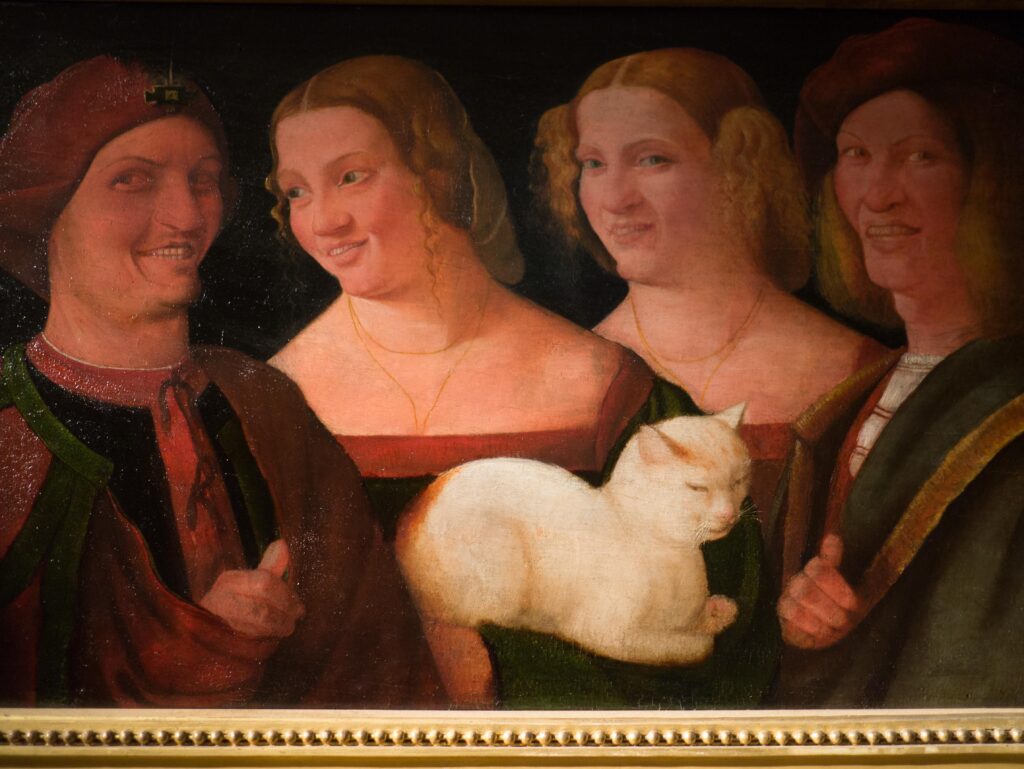
“But it was the fifteenth-century painting that opened my eyes to my predicament in the twenty-first century.
We are what others find amusing, but I keep forgetting this.” (174)
A few more threads that run through these essays:
- Reflections on the Roma he encounters
- Finding less visited places in touristy locales
- Finding pleasure in the mundane and everyday routines
- The things highly regarded in these off-the-beaten-track places
- Neo-Latinist authors
- Change may cover up horrors or atrocities, but it is impossible to erase what happened (as much as people try)
The book shows its age at times but successfully transports the reader to these unexplored spots as he weaves together the various elements of his subjects. Writers I probably would have never heard of otherwise are now on my list to read. In addition to wanting to explore several of the place he describes, he also makes the reader realize it’s possible to have similar adventures and explorations wherever you may be.
The translator for this book is Tess Lewis (translator of the recent version of On the Marble Cliffs), an award-winning translator and advisory editor for The Hudson Review. It surprised me to find a few errors or typos in the book, but they did little to detract from the enjoyment of it. I’ll let her have the last words on Gauß (from her 2020 interview in The Massachusetts Review). While her description may sound weighty and serious, as a narrator Gauß treads lightly and is excellent company.
He has spent decades mapping the peripheries of Europe as well as its center and giving voice to many ethnic minorities who have been all but silenced by the dominant cultures of their geographic regions. The essays in In The Forest of the Metropoles are deeply and creatively engaged with themes that are as relevant to readers in the US as to readers in continental Europe: tolerance and integration of minority communities, the burden of history and the after effects of conflict on survivors and future generations, the ways language can enforce borders within and between countries as well as overcome them.