In July my father left to take the waters; he left me with my mother and my older brother at the mercy of the summer days, white from the heat and stunning. Stupefied by the light, we leafed through that great book of the holiday, all of its pages ablaze with splendour; their sickly sweet […]
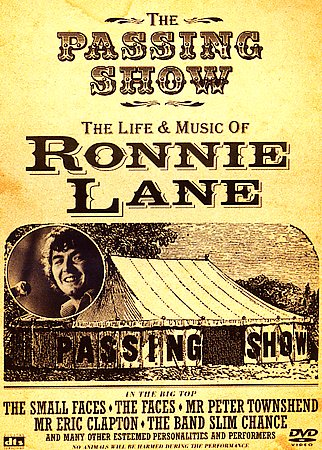
The Life & Music of Ronnie Lane: The Passing Show The movie is flawed…major changes in his career are elided over, either assuming you know the story or just to downplay the negative part of his life. Yet the film is extremely enjoyable. Catch it while it’s on instant view on Netflix. (Hat tip: the […]
By coincidence, tomorrow marks the centenary of the death of Bolesław Prus (real name Aleksander Głowacki). You’ll be hearing more about him from me since I thoroughly enjoyed The Doll and plan to read his later novel Pharaoh soon. The Doll takes place over an eighteen-month period during 1878-9 and looks at Polish society, with […]
There are many other topics included in The Doll that would make interesting posts, such as Prus’ view of women’s rights (or simply the relationship between men and women) and the Polish-Jewish conflict, but I’m going to end with excerpts that look at the author’s view on some of the problems of Poland. These quotes […]
The introductory post on The Doll mentions that Prus wished he had titled the book Three Generations. I’ve provided excerpts for the older generation (full-blown Romaticism represented by Ignacy Rzecki) and the middle one (Romanticism mixed with idealism, embodied by Stanisław Wokulski). The younger generation does not have quite the central role as the older […]
Ignacy Rzecki, oldest of the main characters and intended to represent the older, Romantic generation easily became my favorite character of the novel. The excerpts from his journal provide the reader flashbacks to important events in his as well as showing some of Wokulski’s formative years. During the Hungarian revolution of 1848 Rzecki and friends […]
There are few instances in world literature of a novel’s hero acquiring in the public eye all the characteristics of a live and tangible person, as did The Doll’s principle character, Stanisław Wokulski. Thus, between the two world wars, Prus’s admirers expressed their feelings by attaching a plaque to the wall of a Warsaw apartment […]
As I mentioned in the previous post on The Doll Izabela Łęcki, love of Stanisław Wokulski, seems to be more of a caricature than many more-rounded central characters Prus includes in the novel. The author still provides plenty of enjoyment during her appearances such as this extended quote, introducing her and providing some of her […]
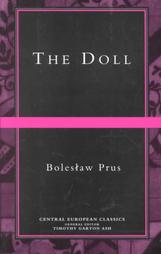
I have been reading the Central European University Press version of Bolesław Prus’ The Doll (Hungary, 1996 paperback edition pictured above) and thoroughly enjoying it. The translation is by David Welsh with an introduction by Stanisław Barańczak. What looks to be the same translation is now available from the New York Review Books. I’m going […]
Previously: The Doll by Bolesław Prus—if anyone knows how to get a copy of the 1968 movie Lalka directed by Wojciech Has, please let me know. Success? I placed an interlibrary loan for a VHS copy I found…wish me luck. It may be a few months before it gets to me but I can be […]
I recently discovered The William and Mary Quarterly, a historical journal published by the Omohundro Institute of Early American History and Culture. The current edition (no longer available online: edition 69_2) has a critical forum on Pauline Maier’s Ratification: The People Debate the Constitution, 1787-1788, a book I enjoyed quite a bit. This comment came from […]
A quick post on what I have planned for the upcoming months, with input always welcome on authors, etc. Also, I wanted to float a Fortunata and Jacinta read-along at the end of the post. Also, I can’t decide on non-fiction books to listen to (several on my wish list but nothing appeals at the moment), […]
I wanted to make a short post after listening to the audiobook version of Winter King: Henry VII and the Dawn of Tudor England by Thomas Penn. Highly recommended. OK, maybe I should add a little bit to that… I knew very little about Henry VII before listening to the book, which probably reflects his position between the […]
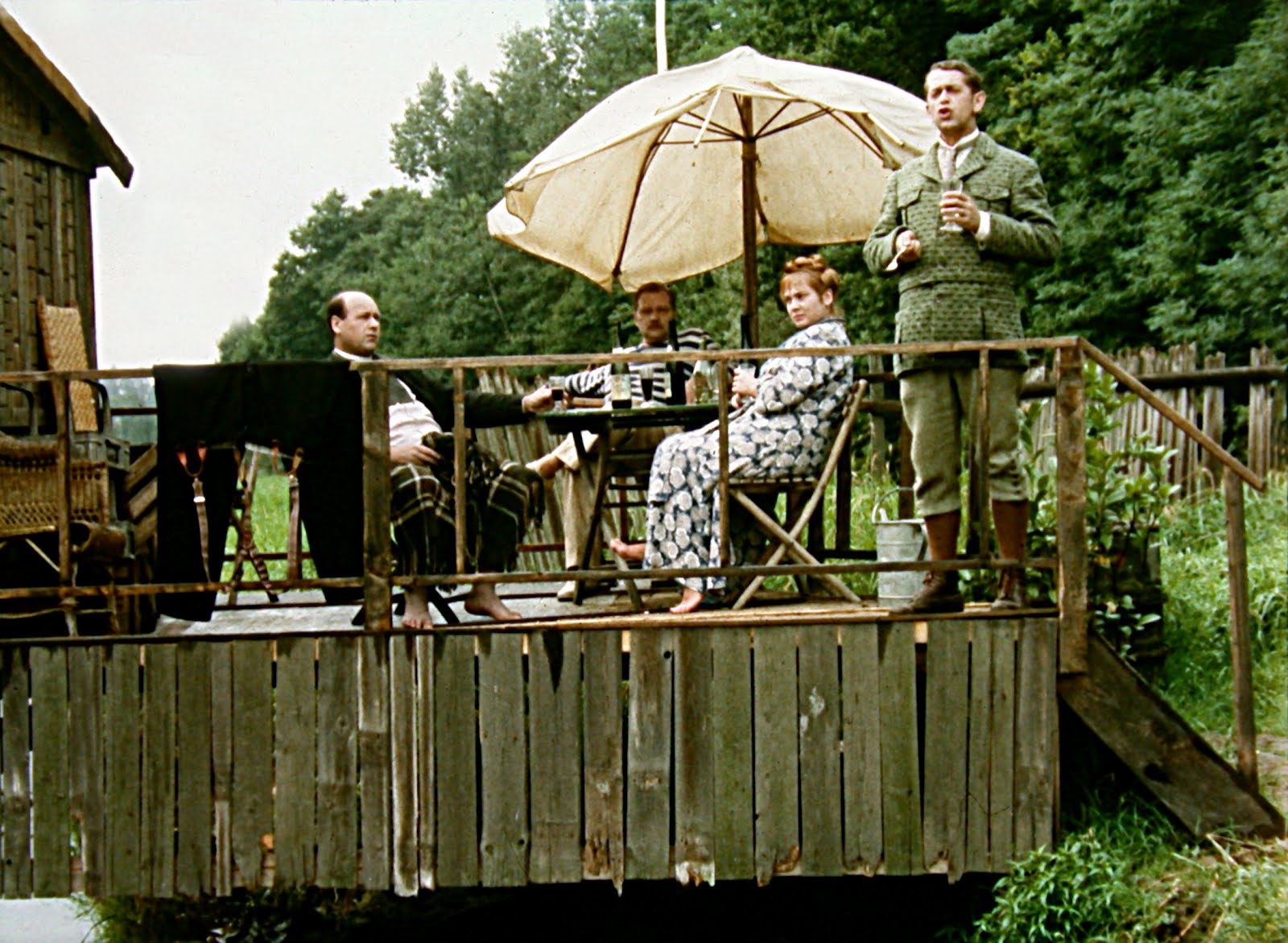
Continuing with my sort-of-biweekly foreign movie posts for this year… For more foreign movies, check out Caroline’s World Cinema Series 2012 and Richard’s monthly Foreign Film Festival round-up. Jiří Menzel’s movie based on Vladislav Vančura’s Summer of Caprice highlights the “cinema ready” nature of Vančura’s novel. Menzel changed little, following much of the book. From […]

Summer of Caprice by Vladislav Vančura Translated by Mark Corner Karolinum Press, Charles University, 201 pages, Hardcover ISBN: 80-246-1195-3 Following up on yesterday’s introductory post on Summer of Caprice by Vladislav Vančura… Vančura’s novel appealed to me because of the playful descriptions in a meandering story, combining the normal and ridiculous while highlighting the very […]
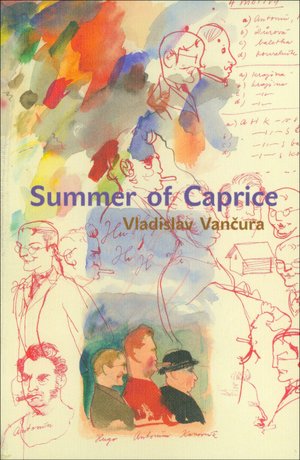
Summer of Caprice by Vladislav Vančura Translated by Mark Corner Karolinum Press, Charles University, 201 pages, Hardcover ISBN: 80-246-1195-3 On the remarkable River Orsh there lies a town of good reputation and good water. The water bubbles up in shady places and the nine most powerful springs, secured in nine wells, have been designated with […]
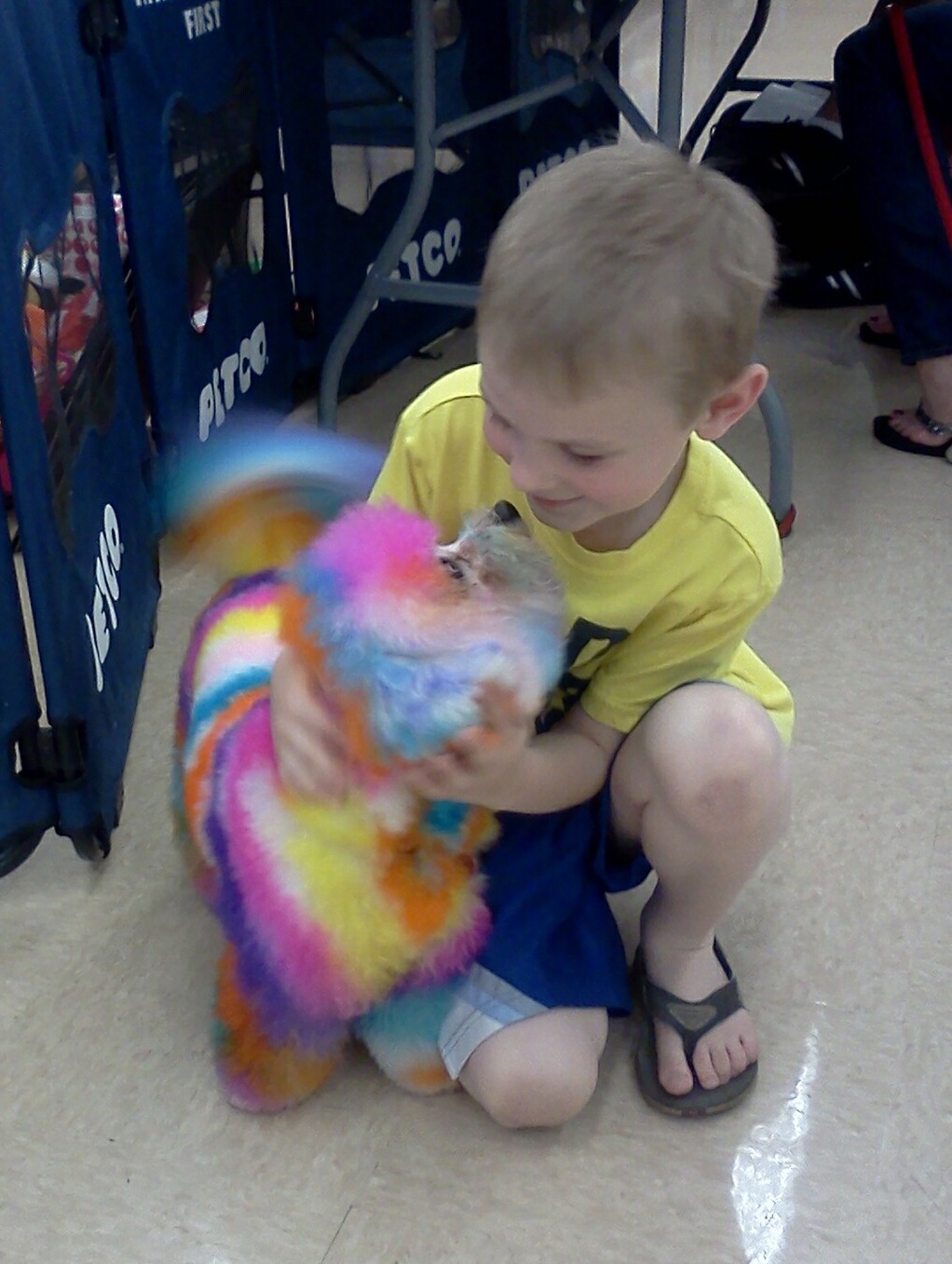
…especially when dealing with the loss of a co-worker and friend. I’m traveling again this week so I’ll take a short break from posting. Feel free to leave a caption for the youngest and a friend he made yesterday.
I have been doing rather well on limiting my purchase of books, but another pre-order just went in… From The University of Chicago Press (distributed for Karolinum Press, Charles University): Behind the Lines: Bugulma and Other Tales by Jaroslav Hašek Jaroslav Hašek is a Czech writer most famous for his wickedly funny, widely read yet […]
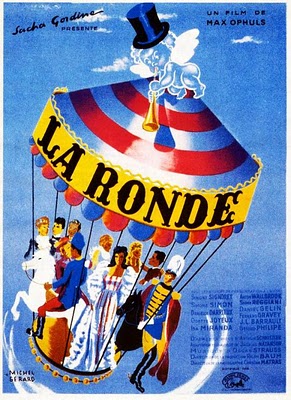
Continuing with my sort-of-biweekly foreign movie posts for this year… For more foreign movies, check out Caroline’s World Cinema Series 2012 and Richard’s monthly Foreign Film Festival round-up. Note: See this post for more detail on the play and storyline. The elegantly structured Arthur Schnitzler play La Ronde lends itself to a movie adaptation and […]
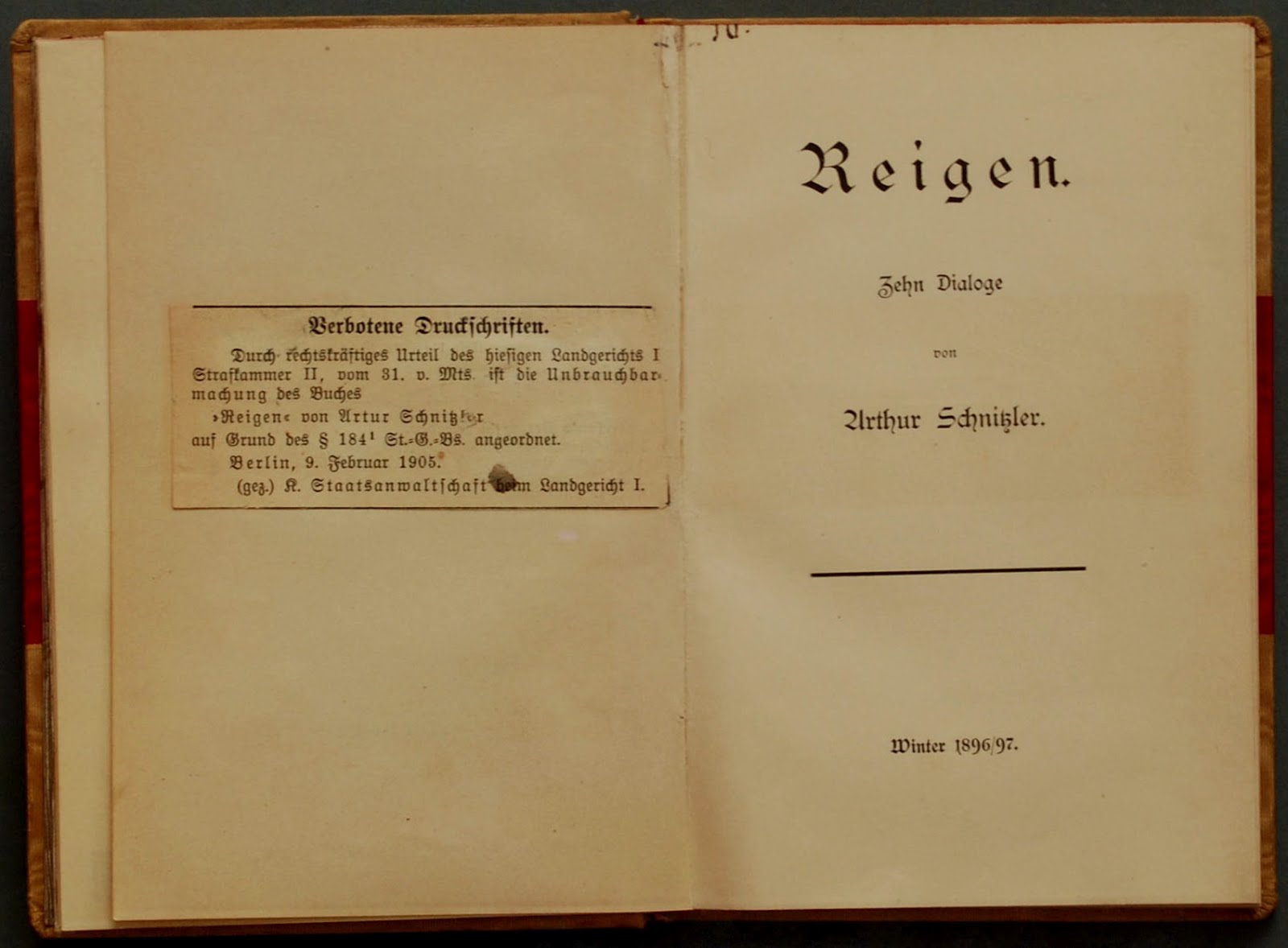
A print of the 1900 private circulation of Der Reigen Picture sourceArthur Schnitzler’s play La Ronde (Reigen in German), written in 1897 but not performed until the winter of 1920/21, looks at a chain of ten sexual encounters. While known by several names depending on the language of translation, the title, named after a circular […]