I finished Alexander Pushkin’s The Little Tragedies, an e-book translated by Alan Shaw. The pieces included are “The Miserly Knight”, “Mozart and Salieri”, “The Stone Guest”, and “Feast During the Plague”. I have posted on “Mozart and Salieri” earlier: Pushkin does a wonderful job of embodying two disparate views of art in his characters. Salieri […]

I want to mention the scheduled showing of The Story of Temple Drake (1933) on TCM at 8pm (Eastern) on September 14. Based on William Faulkner’s Sanctuary, which he described as a “potboiler” (although how much he meant that is debatable), I’m anxious to see the version TCM will show. The movie, filmed pre-Hays code, […]
Driving home yesterday I heard singer Melanie O’Reilly do a song titled “I Lose My Breath”, inspired by Molly Bloom in Joyce’s Ulysses. Instead of using Molly’s words directly (and avoiding Kate Bush’s 20+ year odyssey), O’Reilly turned to The Irish Book of Invasions for lyrics. If interested in the song, you can hear it […]
I tried to keep both prefaces in mind when reading Arrian’s book because they frame everything that follows. Arrian defends his reliance on Ptolemy and Aristoboulos in the opening preface but the disagreement between their reports as well as discrepancies with additional sources stand out in this section. Arrian highlights these differences, lays out several […]
Due to a loss in the family, posting will be sporadic this week. I wanted to go into detail about Books 4 and 5 of Arrian’s The Campaigns of Alexander but I may only have time to post on thematic and stylistic points in this section before the book discussion call on September 12. I […]
No, not together, or on film together…although that might be a fun concept. I have mentioned Win Riley’s documentary on Walker Percy a few times. Despite thinking the movie thin in a few places, I highly recommend watching it when it will be shown on PBS on October 4, 2011. Here’s the link to the […]
I have mentioned Alan Shaw a few times in relation to Alexander Pushkin and will do so again. His translation of The Little Tragedies is now available as an e-book. He graciously sent me a copy and I’m enjoying it a lot. Contents include “The Miserly Knight”, “Mozart and Salieri”, “The Stone Guest”, and “Feast […]
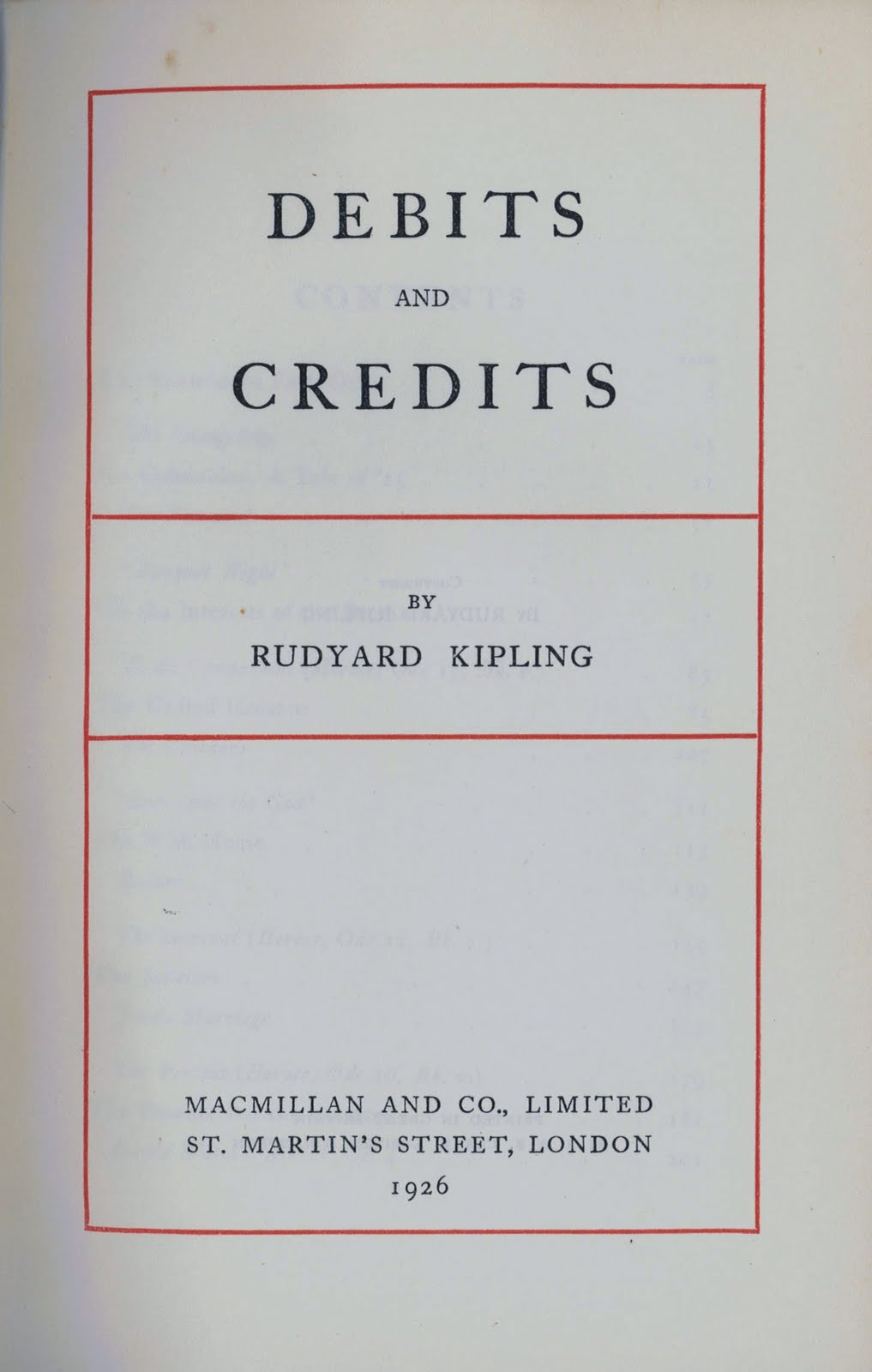
I’ve started Debits and Credits by Rudyard Kipling and I’m impressed once again by Kipling’s storytelling power. Not to mention I’m at a loss as to why I haven’t heard more about this collection since it has some of his best writing. But then I’m only a few stories into the collection. We’ll see how […]
I wanted to pass on a couple of links I found through Rogueclassicism recently. The first is a paper on the death of Philip, linked through History of the Ancient World. It’s an intriguing read by Amalia Skilton, written a few years ago when she was a student at Tempe Preparatory Academy. This paper will […]
It will be a few days before I have time to read anything so I’ll take an opportunity to post a few things I’ve been meaning to mention about Arrian and Alexander. (On a side note, I’m listening to a few lectures on Arrian’s teacher Epictetus…funny how things tie together at times.) Reading Odyssey‘s next […]
A note here to encourage you to check out William Michaelian’s tenth anniversary authorized print edition of A Listening Thing. My comments on the book, such that they are, can be found here. Congratulations William. I couldn’t resist one last laugh with the title of this post (which is how I listed the book before […]
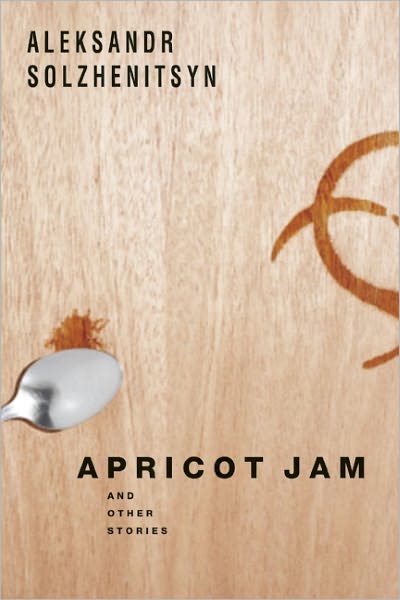
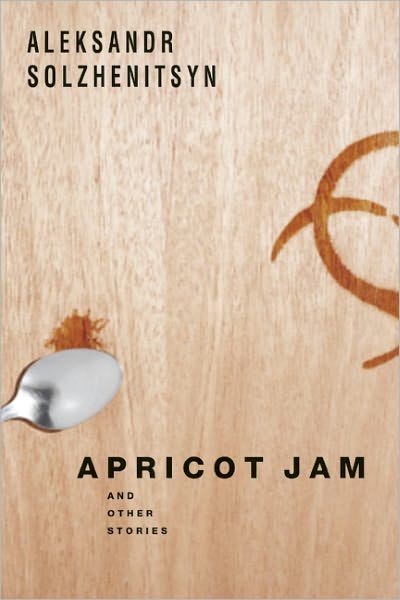
Aleksandr Solzhenitsyn, Apricot Jam and Other Stories Counterpoint, Hardcover, 375 pages ISBN: 1582436029 / ISBN-13: 9781582436029Comments on the first five stories can be found here. This post covers the last four stories in the collection, the first three of these translated by Kenneth Lantz, “No Matter What” translated by Stephan Solzhenitsyn. “Zhelyabuga Village” is a […]
Aleksandr Solzhenitsyn, Apricot Jam and Other Stories Counterpoint, Hardcover, 375 pages ISBN: 1582436029 / ISBN-13: 9781582436029As I mentioned in this post, I ordered this collection of Solzhenitsyn’s short stories and now that I’ve finished the first five (of nine) I better get my thoughts down on paper before I confuse the stories. From the book […]
Imagine my surprise to find that there is a marvelous movie version of Joseph Roth’s novella The Legend of the Holy Drinker (IMDb link). Rutger Hauer does a wonderful job as Andreas and director Ermanno Olmi allows the story to unfold at a natural pace, letting the viewer see the impact on Andreas of the […]
Reading (or in this case, listening to) Mark Twain proves to be a challenging task for me. I don’t mind the multiple layers of irony and ambiguity…in fact I find that one of his most enjoyable features. There are sublime moments in his writing, such as the passage I quoted in the previous post regarding […]
As I mentioned in a previous post, I found the audiobook version of Life on the Mississippi very enjoyable. Narrator Grover Gardner does a wonderful job of capturing the home-spun charm of Mark Twain’s fictionalized experience with the river. The book has two general storylines—Twain’s training to be a steamboat pilot and his taking a […]
While reading Joseph Roth’s The Legend of the Holy Drinker I had this song stuck in my head and it won’t go away even after I finished the novella. So I’ll share it in hopes that it will eventually go away. Richard Thompson, Suzanne Vega, and Loudon Wainwright III perform the old Richard & Linda […]
There is really nothing that people get used to so readily as miracles, once they have experienced them two or three times. Yes! In fact, such is human nature that people begin to feel betrayed when they don’t keep getting all those things that a chance and fleeting circumstance once bestowed on them. People are […]
From my first post on the book: Joseph Roth’s The Radetzky March traces the history of the Trotta family across three generations. The grandfather, Joseph, saved Emperor Franz Joseph’s life at the Battle of Solferino, an act that helps and haunts the family across the years. The novel parallels and intertwines the connection between sons […]
Most of these orders pertained to the evacuation of villages and town and the treatment of pro-Russian Ukrainians, clerics, and spies. Hasty court-martials in villages passed hasty sentences. Secret informers delivered unverifiable reports on peasants, Orthodox priests, teachers, photographers, officials. There was no time. The army had to retreat swiftly but also punish the traitors […]