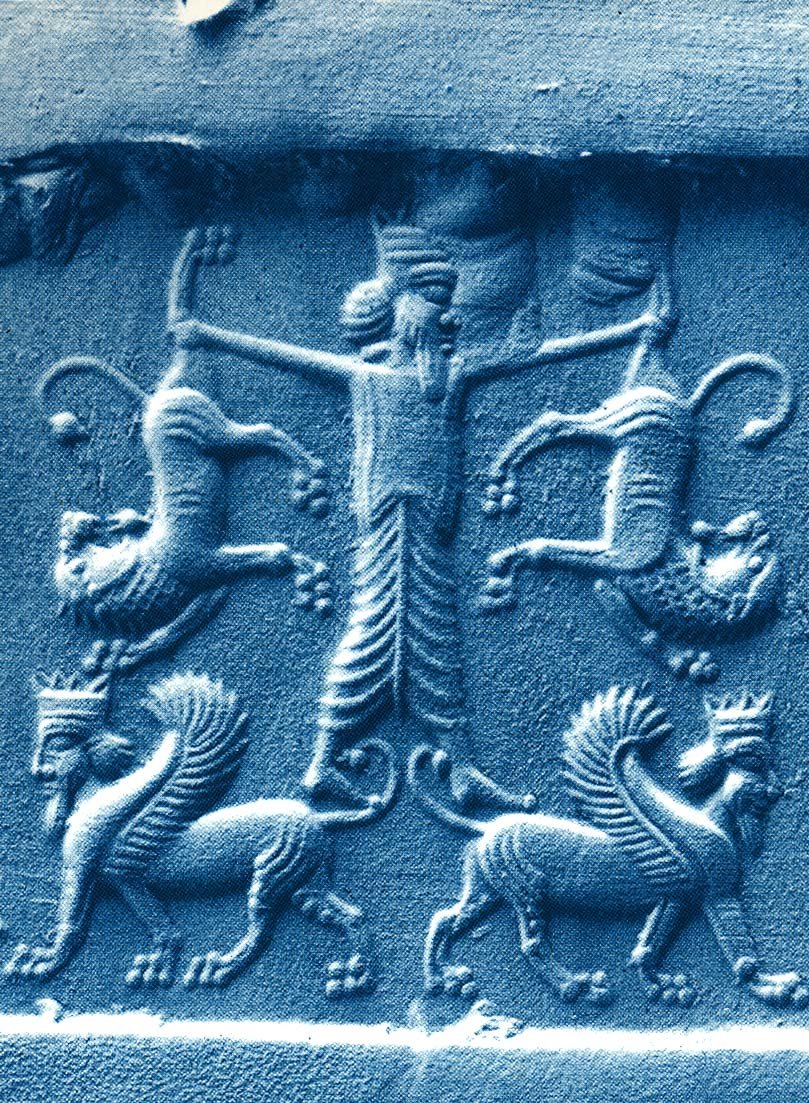
Picture source(which has additional online links) I won’t go much into recapping the story since I think I’ve provided some summaries and study guides in this post. So instead I’ll focus on a few of the points in the story that interested me. Upon first reading the story, I found parts of it contradictory at […]
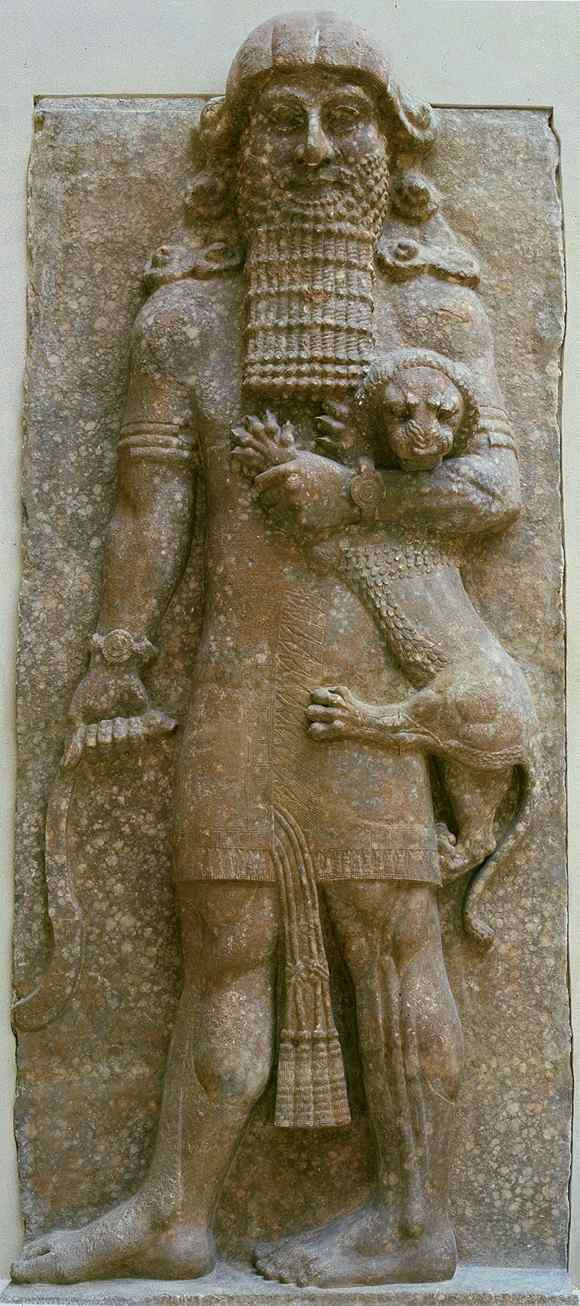
I never imagined there would be so many sites that focused on the epic of Gilgamesh, the story of a 28th century BC king. What follows is only a small portion of what is available. Wikipedia’s entry on the epic of Gilgamesh Texts for the epic: From Project Gutenberg, which has “an old Babylonian Version […]
Links to the Mrs. Dalloway posts are below, but I thought I would spend a little space on some works that pay homage to the novel and to Woolf herself. (section deleted) The Hours was also made into the 2002 movie with Nicole Kidman, Julianne Moore and Meryl Streep. While I haven’t read any of […]
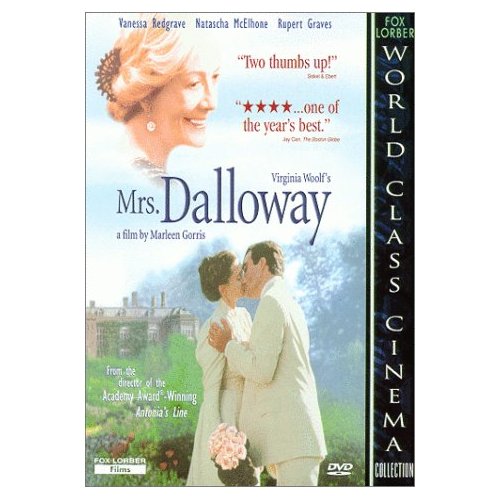
A woman throws a party, sees some old friends, and thinks of times gone by. The storyline by itself of Mrs. Dalloway makes for a challenging transition from book to screen. Factor in the novel’s use of n internal dialogue to represent consciousness and I didn’t expect much from the movie. Fortunately the film was […]
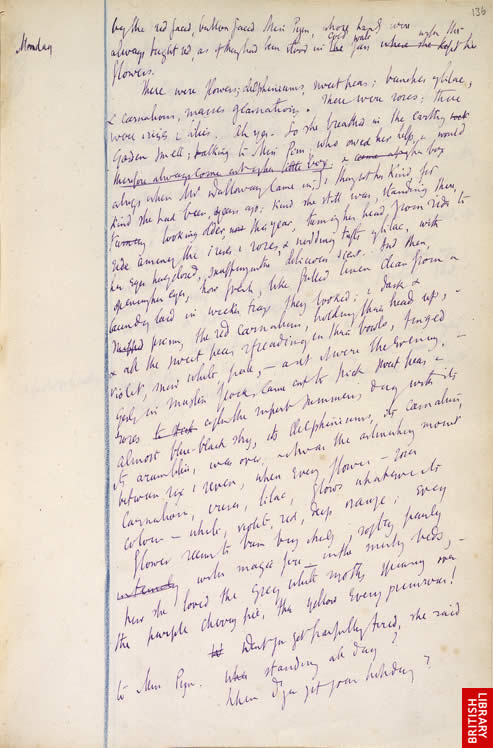
Draft for Mrs DallowayThis post covers the last third of the book, starting from the narration returning to Septimus and Rezia in the late afternoon and going through the end. Septimus briefly returns to some semblance of sanity, content at home and making Rezia happy as well. His reflections on marriage provide an interesting contrast: […]
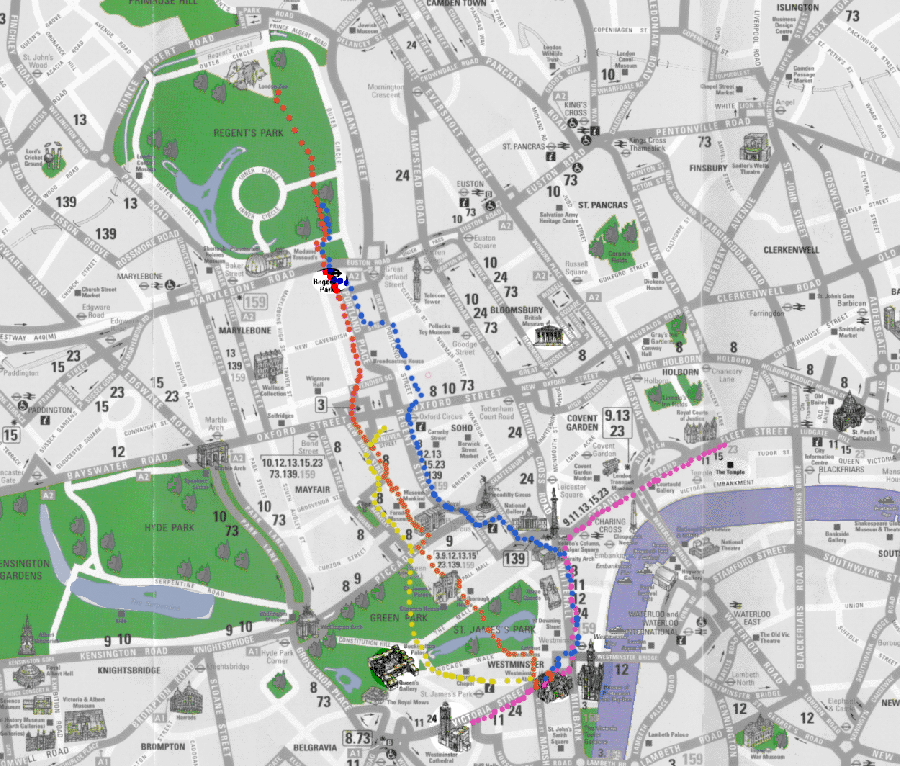
The London Walks of Mrs. Dalloway by E.K. Sparks, Clemson UniversityThis post will cover from the old woman singing outside the Regent’s Park Tube station at approximately noon to the narration leaving Elizabeth on the Westminster bus in the late afternoon. This middle third of the novel fleshes out many of the themes and begins […]
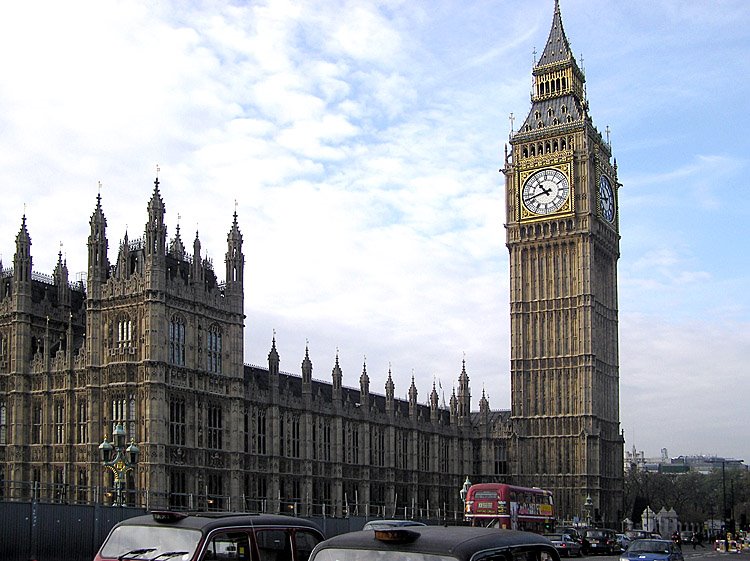
Big Ben clock tower from Westminster Bridge Picture source Guidedrius: Fear no more the heat o’ th’ sun, Nor the furious winter’s rages, Thou thy worldly task has done, Home art gone and ta’en thy wages. Golden lads and girls all must, As chimney-sweepers, come to dust. Arviragus: Fear no more the frown o’ th’ […]
While I try to exclude personal items from this site, I did want to pass on a recommendation as well as a tribute. My father passed away last month and, as part of the preparations for the funeral, the minister presiding over it talked quite a bit with the family. Here is an expanded version […]
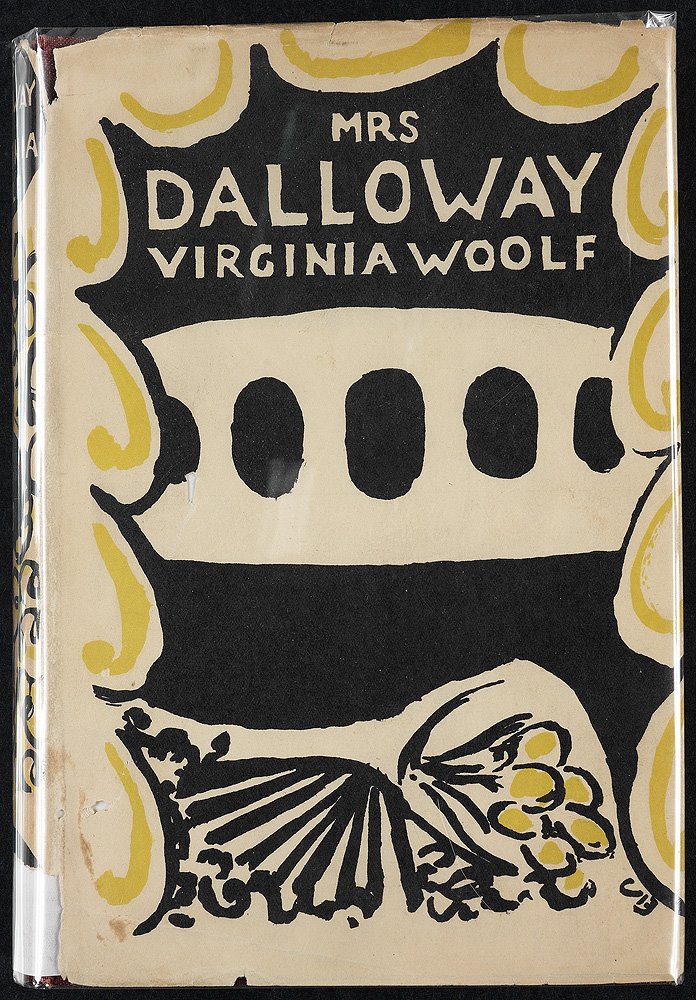
Mrs. Dalloway, London: Hogarth Press, 1925. Dust jacket designed by Vanessa Bell. Picture source It is difficult–perhaps impossible–for a writer to say anything about his own work. All he has to say has been said as fully and as well as he can in the body of the book itself. If he has failed to […]
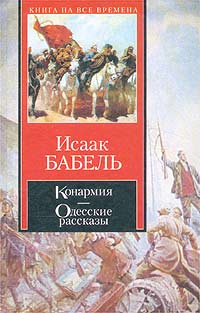
Picture sourceMy posts on Isaac Babel, and all the quotes in them, come from The Complete Works of Isaac Babel, edited by Nathalie Babel and translated by Peter Constantine. This review of the translation is far from glowing, noting “other translations give you a much better sense of his [Babel’s] abilities.” But I liked the completeness […]
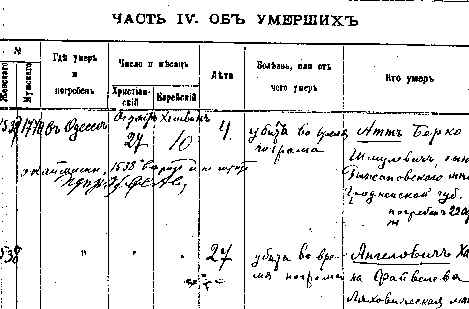
List of victims in 1905 Odessa pogrom The most terrible pogrom in the history of Jewish Odessa took place on October 18-22, 1905, when there were some 175,000 Jews living in the city. It enveloped the entire city and the bloody [activity] spread from the central streets to the outlying districts, primarily Moldovanka, which had […]
Starting August 9th, The Orwell Prize will begin running the entry from George Orwell’s diary that was written 70 years ago. Here is the introduction from The Orwell Diaries page, where the entries will be posted: ‘When one reads any strongly individual piece of writing, one has the impression of seeing a face somewhere behind […]
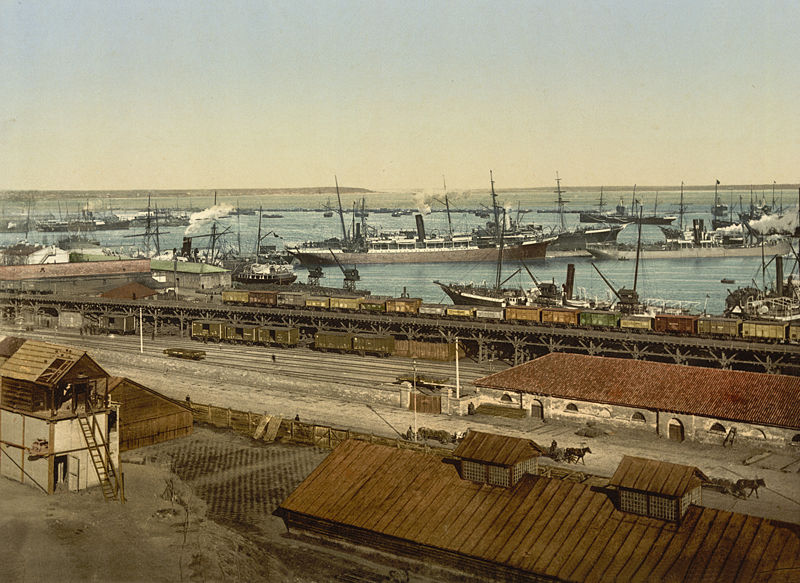
Pratique Harbor, Odessa (circa 1890 – 1900) Picture sourceBabel’s stories of life in Odessa, or more properly in the Moldavanka neighborhood, were published starting in 1921 and continued into the 1930s. Jan Dudas’ recent pictures of the district can be found on Flickr here. If possible, these works feel more direct than The Red Cavalry […]
Konarmiya (Red Cavalry) and The Odessa Stories “In late May 1920, the First Cavalry of the Soviet Red Army, under the command of General Budyonny, rode into Volhynia, today the border region of western Ukraine and eastern Poland. The Russian-Polish campaign was under way, the new Soviet government’s first foreign offensive, which was viewed back […]
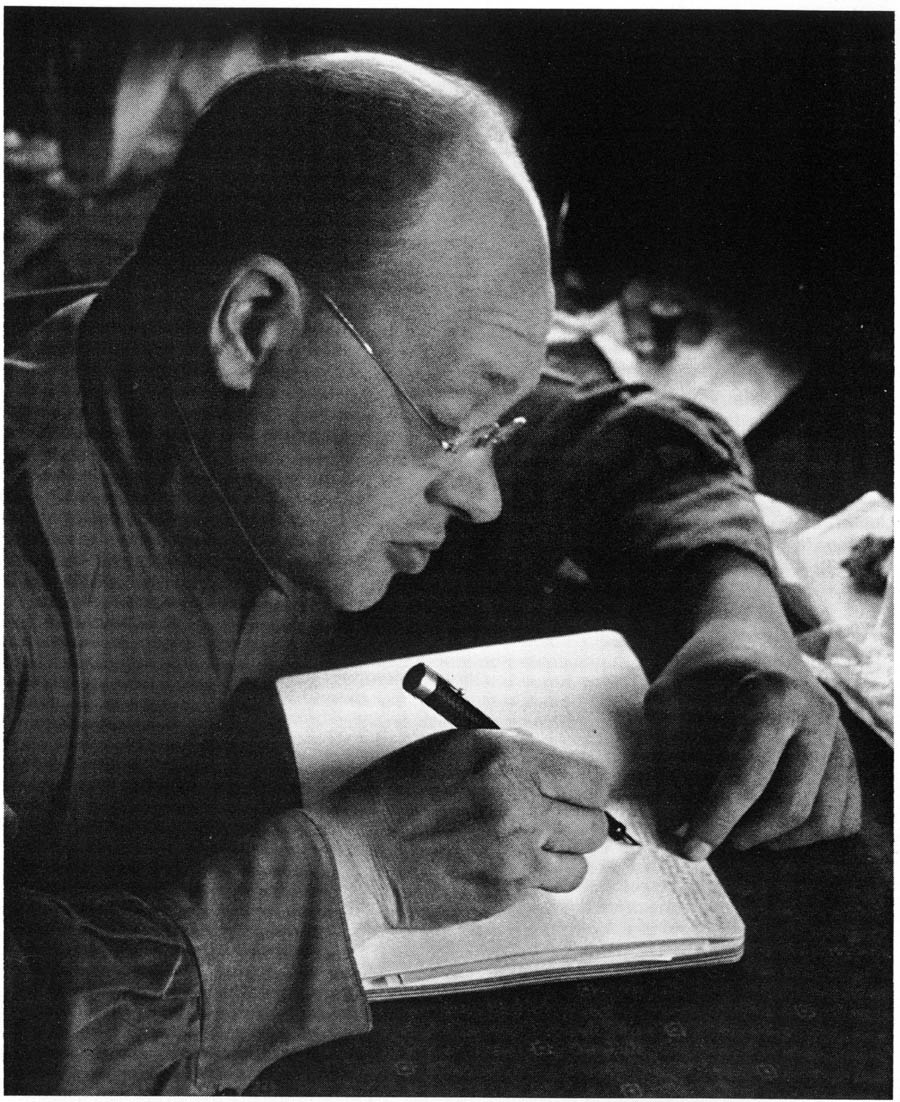
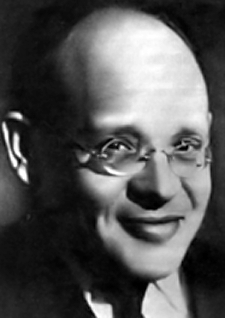
Isaac Babel Picture sourceThere is a wealth of information regarding Isaac Babel available online, a tribute to the power of his stories despite having been “erased” by the Soviet regime for many years. Here is a list of some of the available resources: Babel’s Wikipedia entry Gregory Freidin, Professor, Director of Interdisciplinary Studies in Humanities […]
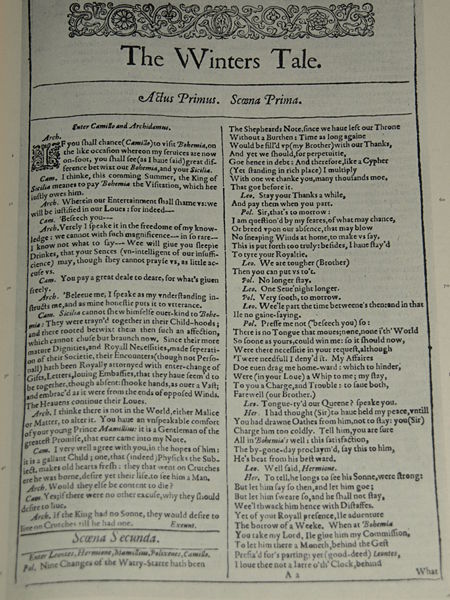
Picture sourceMost of the so-called “romances” of Shakespeare get mixed reviews, sometimes called failed experiments. The blending of tragedy and comedy in A Winter’s Tale mimics the fine line in real life between the two (and the play itself seems to be making somewhat of a comeback). While the whole is enjoyable what really stands […]
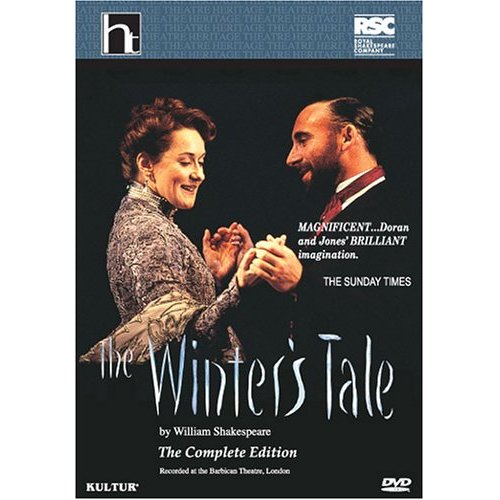
This production is a filmed stage production from the RSC’s 1998/99 season performed at the Barbican Theatre, London. The staging is mostly stark (with the pastoral scene as a notable exception), which allows the players’ performances to be the central focus. Despite the minimal sets, some uses were rather innovative (for example the draped sheets […]
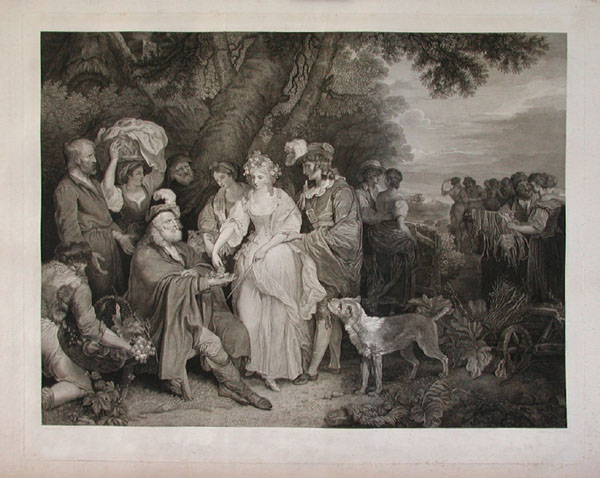
Winter’s Tale: Act Four, Scene Three, (Florizel, Perdita, Shepherd, Clown, Mopsa, etc.)James FittlerPicture source The act opens with Leontes lamenting his loss of Hermione, with a scolding Paulina to continually remind the King that he is responsible for his wife’s death. The effusive praise heaped on Hermione does get tiring, begging the question of how […]
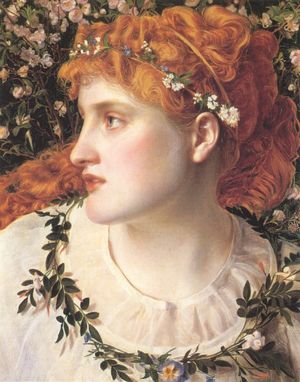
Perdita by Anthony Frederick Augustus SandysPicture source The passing of 16 years is performed by the character Time, who begs our forgiveness with liberties taken in speeding ahead and also fills us in on what has happened: Leontes leaving,Th’ effects of his fond jealousies so grievingThat he shuts up himself, imagine me,Gentle spectators, that I […]
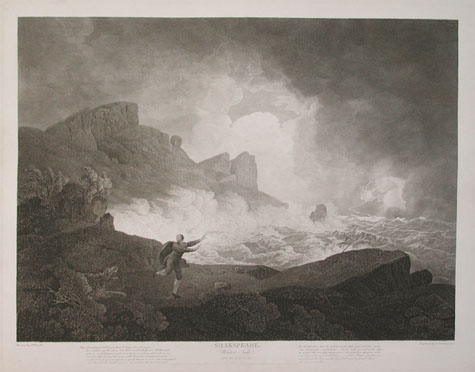
Samuel Middiman engraving of Act Three, Scene Three Picture sourceScene i is very short, but packed with stylistic foreshadowing of things to come in addition to basic information of things that have happened offstage. The two lords sent to the Oracle in Act II Scene i have returned. Cleomenes and Dion describe their visit to […]