I saw the CD version of To the Lighthouse with Phyllida Law as reader at my local library and decided to give it a try. This in spite of my general misgiving about books on tape (I’m rarely able to give my full attention to them) and the specific worry about the adaptability of this […]
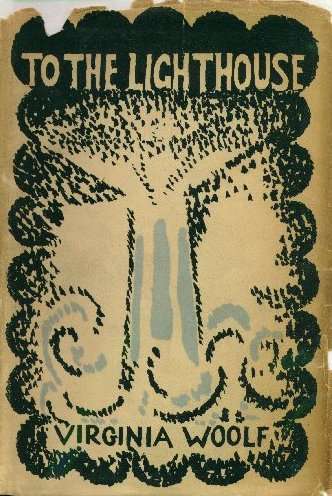
Cover of To the Lighthouse by Vanessa Bell The last three chapters of “The Window” section takes place during the dinner and later that evening. I will briefly look at the dinner and some topics covered then and afterwards. The dinner starts off with weariness and dissatisfaction of many of the participants. Several characters wish […]
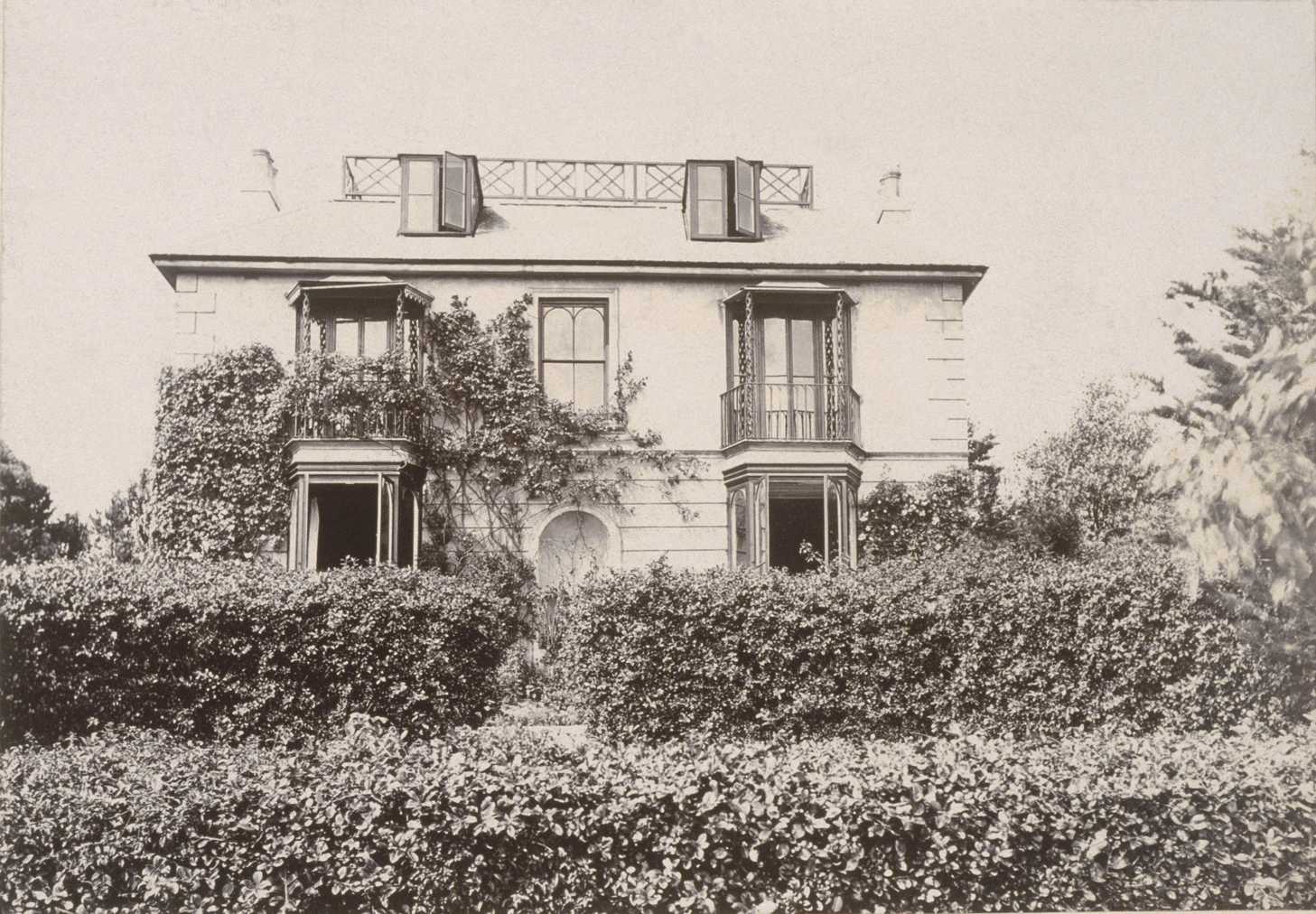
Talland House, where the Stephen family spent their summers. From Leslie Stephen’s photo album at Smith College Libraries site. This section covers up to the dinner party and allows the reader to meet more of the Rasmay family and guests. Mrs. Ramsay expresses her desire to spare her children from what she views as the […]
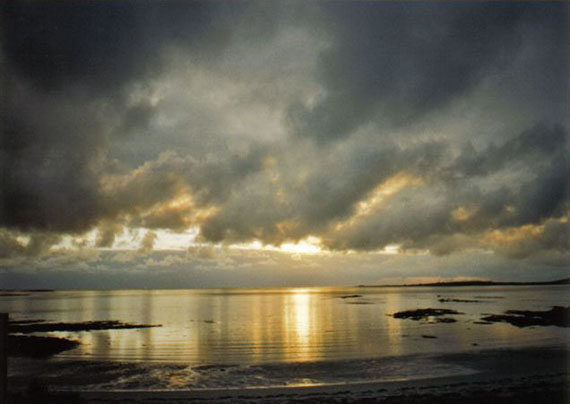
“…she felt…how life, from being made up of little separate incidents which one lived one by one, became curled and whole like a wave which bore one up and threw one down with it, there, with a dash on the beach.” Picture–Hebridean Sunset While there are many things going on in this section, the use […]
I first read To the Lighthouse about 6 years ago and I’m looking forward to reading it again. A few chapters into the book I realized how much of the book’s approach and themes permeate the first chapter. I thought reviewing just this one chapter would make writing about the rest of the book easier. […]
Before reading To the Lighthouse again, I wanted to read some of Woolf’s essays from both volumes of The Common Reader. I have posted several excerpts below from “Modern Fiction” and “How Should One Read a Book?” that I think will prove useful in understanding Woolf’s works as well as benefiting reading in general. From […]
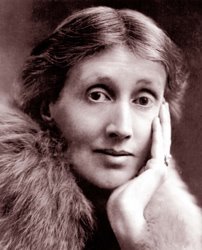
Listed below are a few online resources I found on Virginia Woolf and the two books I intend to read now. VIRGINIA WOOLF Virginia Woolf’s Wikipedia entry Works available at Project Gutenberg Project Gutenberg Australia has ebooks available to more of Woolfs’ books. Copyright law will vary depending on country. Virginia Woolf seminar page from […]
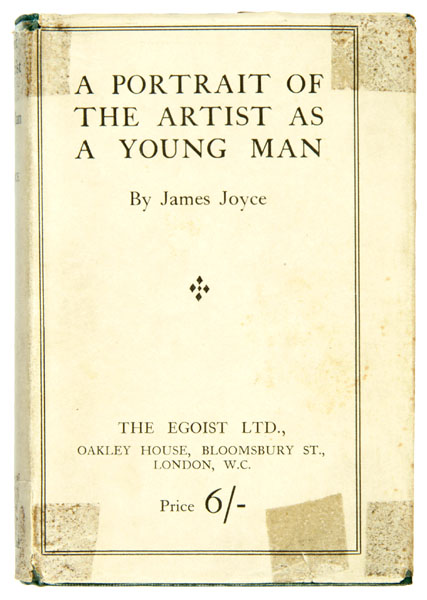
It is easy to see why there has been so much written about Portrait. The amount of different things happening is staggering and the discussion linked below only scratches the surface. Still, it’s a starting point and an enjoyable first encounter with the book. A Portrait of the Artist as a Young Man posts: Online […]
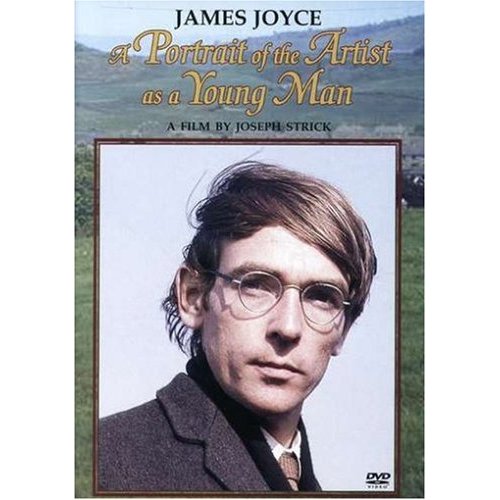
The IMDB page for the movie found here. I didn’t know what to expect from a movie version of the book. How do you portray everything that happened internally? Internal discourse can be done as a voiceover, but there is so much more happening inside Stephen than just thoughts. Despite some large lapses and omissions, […]
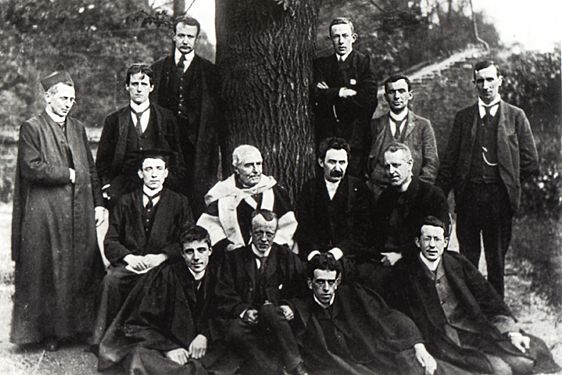
Of all the alienations, the most painful estrangement for me was Stephen’s distance from his family. Comparing Simon Dedalus’ attitude and actions toward his son at the start of Chapter 5 with their train trip in Chapter 2 (as well as trying to pull strings for him in Chapter 4) highlights the distance between the […]
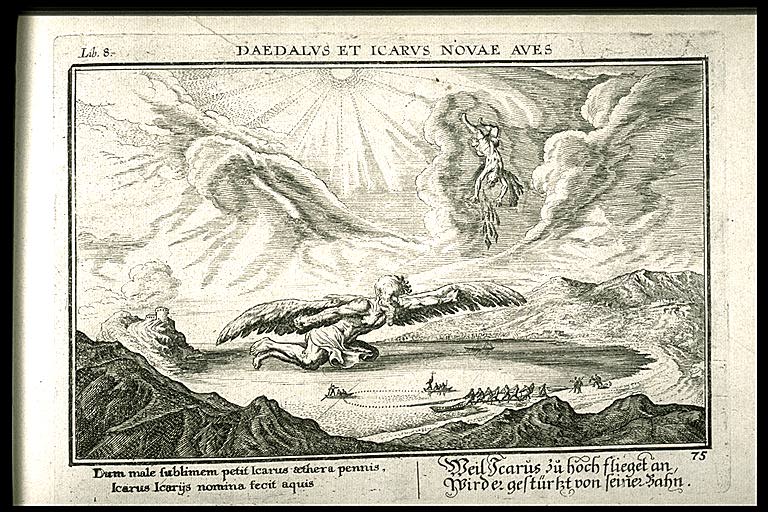
Chapter 4 begins with Stephen’s religious discipline. One comment I saw for this section is that the language Joyce uses in this section is dry, but the change I notice more is the lack of sensual descriptions (with a few exceptions, made notable because of the lack everywhere else), especially compared to the first two […]
I finished the book a while ago but have been too busy to write. So going from memory on what I read a couple of weeks ago… The retreat in honor of St. Francis Xavier takes up the bulk of this chapter. As the book progresses, previous events are directly or indirectly echoed while additional […]
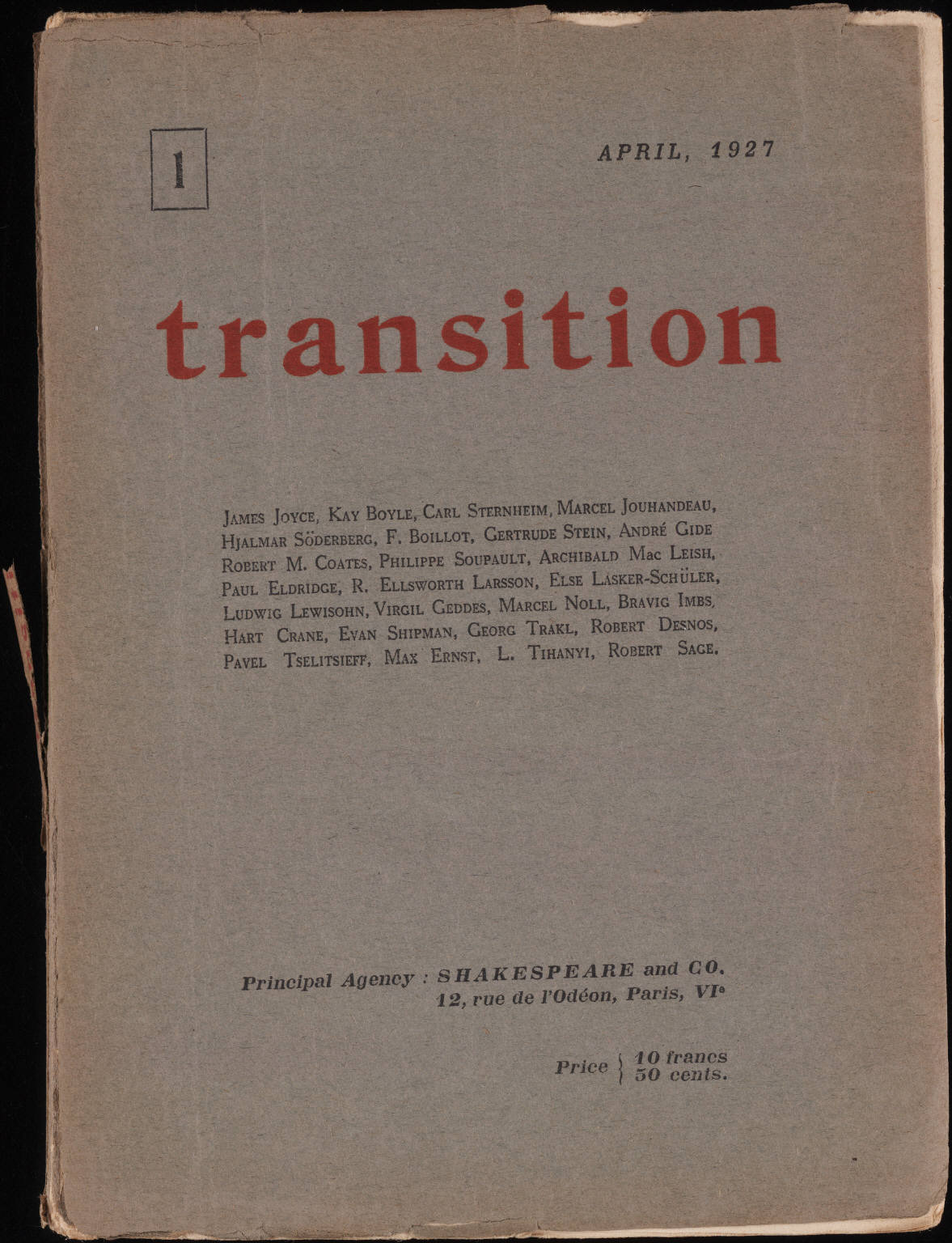
This chapter reflects much change in and around Stephen, with much of the change for the worst. Many of the things around Stephen show decline: Uncle Charles becomes senile or Stephen’s family encounters financial troubles, for example. Even something simple, like the description of coach Mike Flynn as a long way from being a famous […]
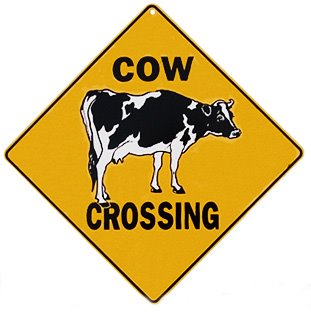
Once upon a time and a very good time it was there was a moocow coming down along the road… Sign from cowdepot.com My comments on Joyce’s work will obviously pale in comparison to the library shelves groaning with books and dissertations analyzing everything down to the punctuation, but writing a post on what I […]
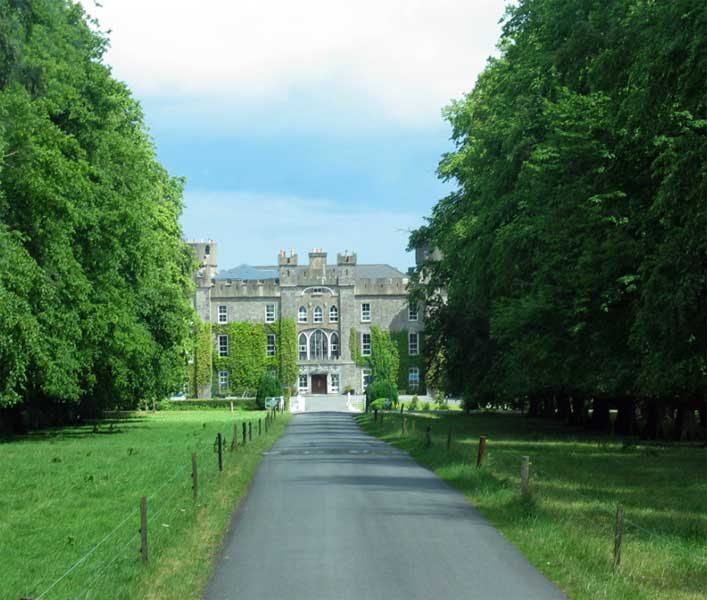
Source A few online resources for the next book on my list (many, alas, have fallen to web erosion over time and have been deleted). I listed a few general resources on James Joyce in this post A Portrait of the Artist as a Young Man text at Project Gutenberg There are numerous audible versions […]
I finally got a chance to see the recent adaptation of Jane Austen’s Northanger Abbey and I wanted to add a note since I had reviewed the 1986 version. I just noticed that I had originally commented on the (then) upcoming version and hoped that it would succeed…and indeed it did. My comments have to […]
I found George Orwell’s essay on Rudyard Kipling recently. It appears Orwell was responding to a T.S. Eliot essay that prefaced selections of Kipling’s poetry as well as an essay by Edmund Wilson. While much of the review is about the poetry itself (Orwell’s take in a nutshell—third-rate, but a guilty pleasure that speaks to […]
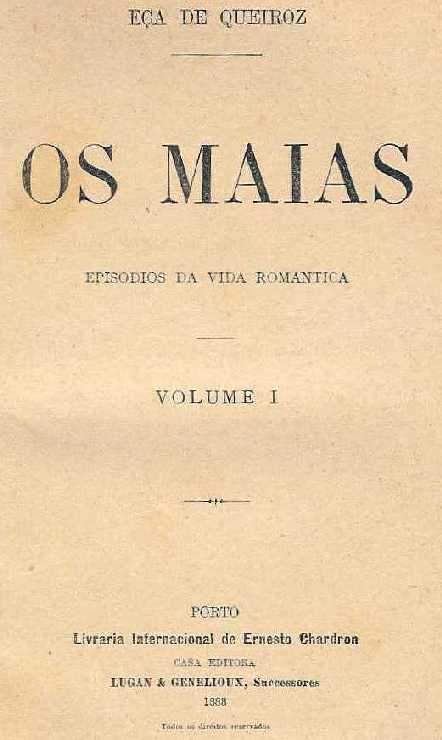
A summary of the posts on The Maias by Eça de Queirós, as well as some additional notes. José Maria Eça de Queirós online resources The Maias: resources The Maias discussion: Chapters 1 – 6 The Maias discussion: Chapters 7 – 10 The Maias discussion: Chapters 11 – 14 The Maias discussion: Chapters 15 – […]
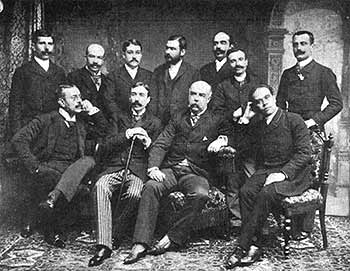
Os Vencidos da Vida (Those Defeated by Life)Eça de Queirós in front row with walking stickPhoto from www.arqnet.pt The end of the book comes with mixed feelings: satisfaction from reading such a wonderful novel, dissatisfaction with many characters that cannot develop, and reevaluation of everything that has happened to date. The generational differences are still […]
The melodrama continues… The plot of The Maias is rather thin, standard soap opera fare, but the richness of the telling is the reason to read the book. Not just the characters, but 1880s Portugal comes to life. The relationships between the male characters develop and seem truer to life than most novels. Rarely do […]